Whether you’re buying your first home, selling your current property, or simply staying on top of home maintenance, a professional home inspection is one of the best investments you can make. A thorough inspection helps uncover hidden issues that may not be visible during a casual walkthrough, giving buyers peace of mind and helping sellers address concerns before listing their property.
At E&A Drone Home Inspections, every inspection is designed to provide an accurate picture of a home’s condition, helping clients make informed decisions. Here are ten of the most common problems inspectors encounter during a home inspection.
1. Roofing Damage
The roof is one of the most important components of any home, yet it’s also one of the areas most vulnerable to weather and aging.
Common roofing issues include:
- Missing or damaged shingles
- Cracked flashing
- Roof leaks
- Worn roofing materials
- Poor drainage
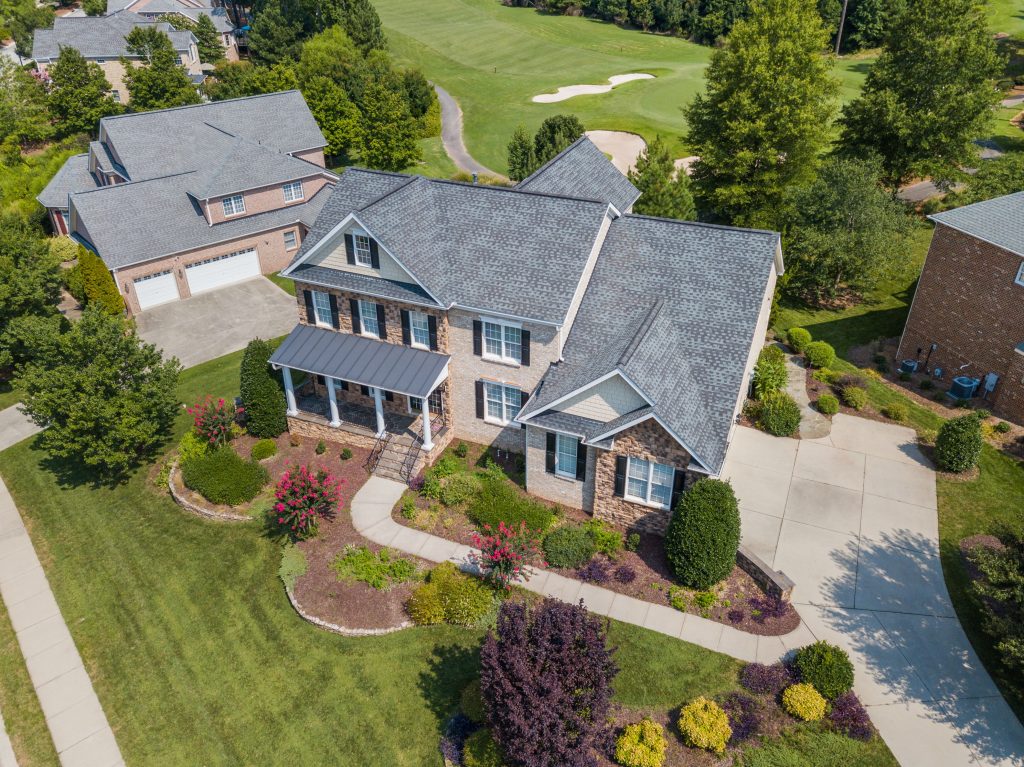
Drone technology allows inspectors to safely evaluate roofs without causing damage or putting themselves at risk.
2. Foundation Cracks
A home’s foundation supports the entire structure. Small hairline cracks may be normal, but larger or expanding cracks can indicate structural movement or water-related issues.
Signs of foundation problems include:
- Uneven floors
- Cracks in walls
- Doors that won’t close properly
- Gaps around windows
- Visible foundation cracks
Early detection can prevent costly structural repairs.
3. Electrical System Deficiencies
Electrical issues are among the most serious concerns uncovered during inspections because they may pose fire or safety hazards.
Inspectors commonly find:
- Outdated electrical panels
- Improper wiring
- Missing GFCI outlets
- Overloaded circuits
- Loose electrical connections
A licensed electrician should evaluate significant electrical concerns.
4. Plumbing Leaks
Even minor plumbing leaks can lead to expensive water damage if left untreated.
Common plumbing problems include:
- Leaking pipes
- Dripping faucets
- Corroded plumbing
- Low water pressure
- Slow drains
Moisture can also contribute to mold growth and wood deterioration over time.
5. HVAC System Problems
Heating and cooling systems require regular maintenance to operate efficiently.
Inspectors often identify:
- Dirty air filters
- Aging HVAC equipment
- Poor airflow
- Damaged ductwork
- Inconsistent heating or cooling
Routine servicing can improve efficiency and extend the life of the system.
6. Water Damage
Water intrusion is a common issue that can affect nearly every part of a home.
Inspectors look for:
- Ceiling stains
- Damaged drywall
- Moisture around windows
- Basement seepage
- Signs of previous leaks
Finding the source of water intrusion is essential to preventing future damage.
7. Mold and Mildew
Excess moisture creates an ideal environment for mold growth.
Although inspectors do not always perform mold testing during a standard inspection, they can identify visible signs such as:
- Discoloration
- Musty odors
- Moisture buildup
- Water-damaged materials
Addressing moisture problems promptly helps reduce the risk of mold development.
8. Poor Insulation and Ventilation
Inadequate insulation or ventilation can increase energy bills and shorten the lifespan of roofing materials.
Common concerns include:
- Insufficient attic insulation
- Blocked attic vents
- Poor airflow
- Heat buildup
- Excess humidity
Proper ventilation improves both comfort and energy efficiency.
9. Exterior Damage
The exterior protects the home from the elements, making regular inspections essential.
Inspectors evaluate:
- Damaged siding
- Cracked brick or masonry
- Worn caulking
- Deck deterioration
- Improper grading around the foundation
Maintaining the exterior helps prevent moisture intrusion and structural damage.
10. Safety Hazards
Home inspections also identify conditions that may affect occupant safety.
Examples include:
- Missing handrails
- Loose stair treads
- Faulty smoke detectors
- Inoperative carbon monoxide detectors
- Trip hazards
Correcting these issues improves the overall safety of the property.
Why a Professional Home Inspection Matters
Many home defects aren’t immediately visible to buyers or homeowners. A professional inspection provides a comprehensive evaluation of the property’s major systems and components, helping identify issues before they become expensive repairs.
With advanced tools—including drone technology for roof and exterior evaluations—E&A Drone Home Inspections delivers detailed inspection reports that help clients understand the condition of their property.
Final Thoughts
No home is perfect, but understanding its condition allows buyers, sellers, and homeowners to make informed decisions. From roofing concerns and foundation cracks to electrical issues and water damage, identifying problems early can save significant time, money, and stress.
If you’re purchasing a home, preparing to sell, or simply want to protect your investment, scheduling a professional inspection is a smart step. E&A Drone Home Inspections provides thorough, reliable inspections so you can move forward with confidence.